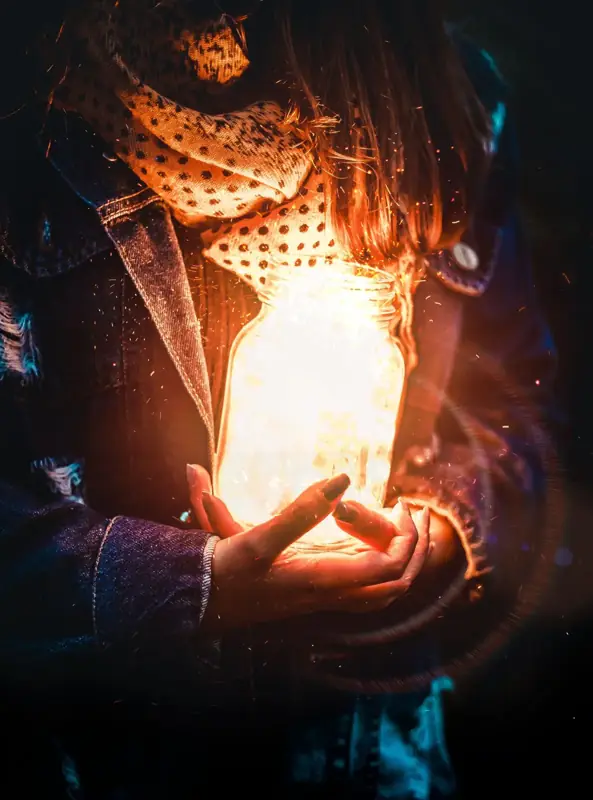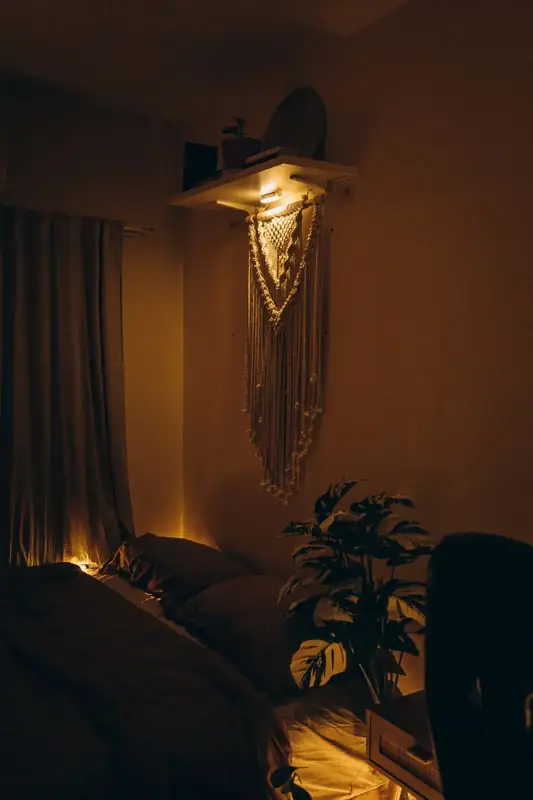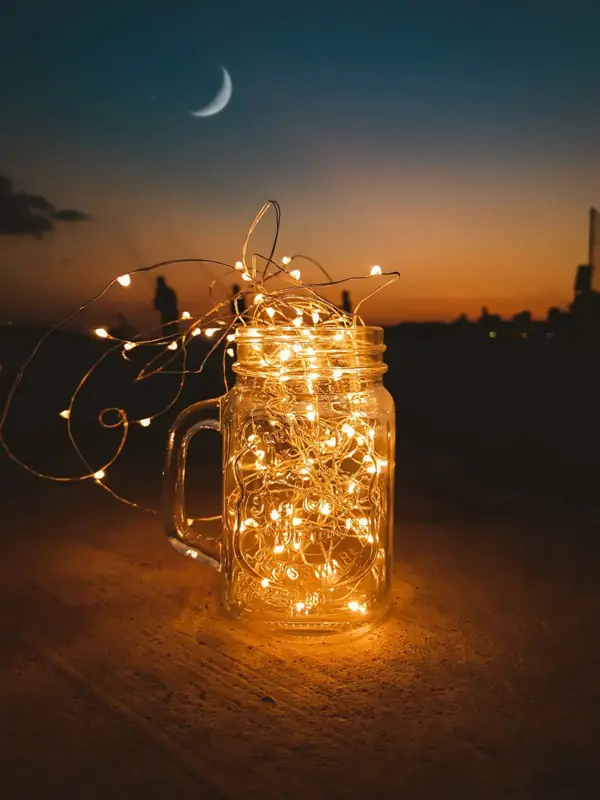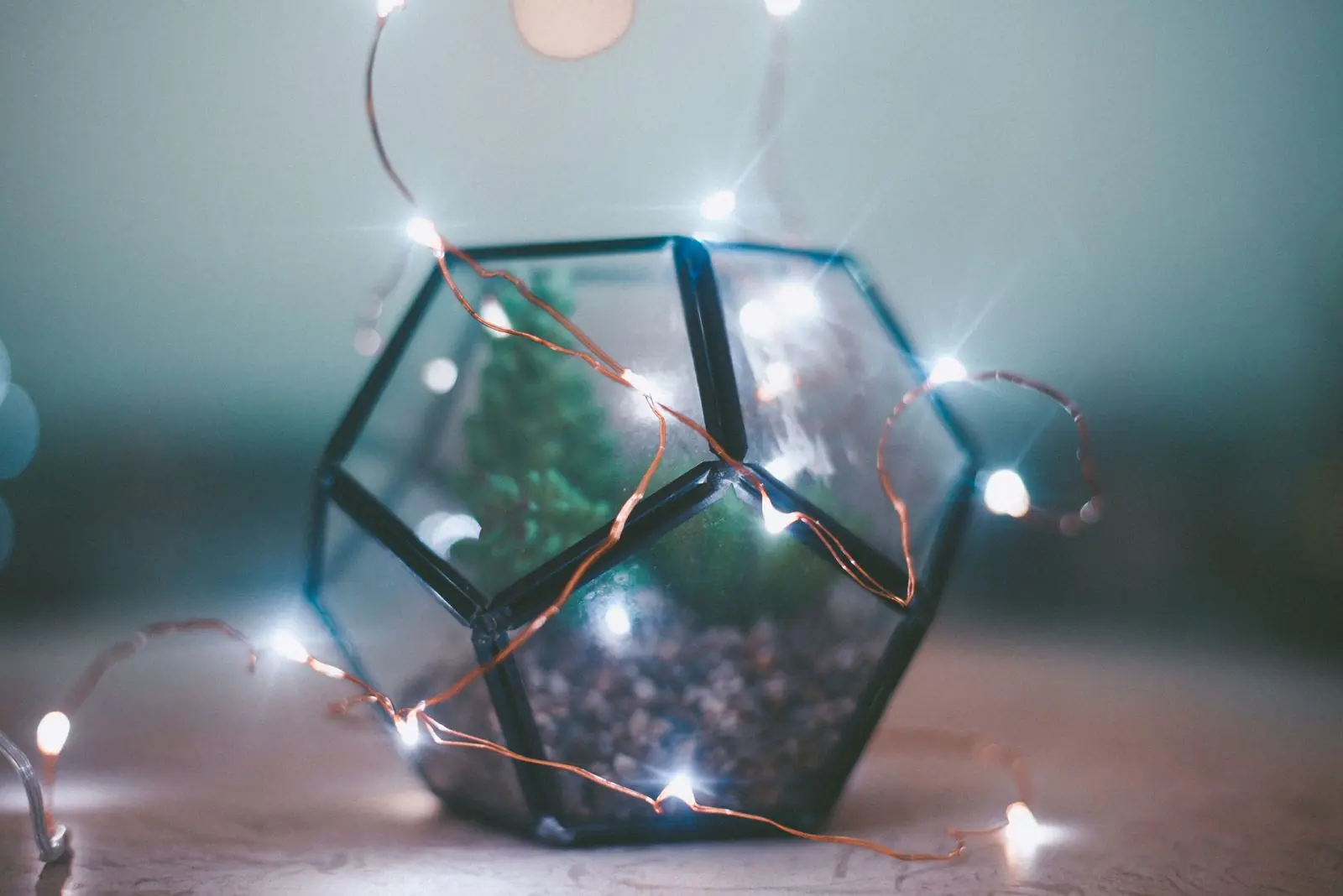
Silver wire fairy lights are the most delicate kind of fairy light. The LEDs are tiny, the wire is thinner than a paperclip and finished in a soft silver tone, and when the strand is lit the wire practically vanishes. What's left is a scatter of tiny points of light that seems to float in a jar, over a mirror or across a wall of photos.
This guide explains how silver wire compares with copper wire, battery vs USB fairy lights, what to look for, how to shape and hang the wire, and plenty of ideas to try.
What silver wire fairy lights are
They're micro LED wire lights: small LED beads soldered along a thin, coated wire, usually two strands twisted together or running side by side. The wire is soft and bendable, so it holds any shape you press it into, and it's light enough to tape to paper or sew onto fabric. "Silver" describes the finish of the coating, which blends with white walls, glass, mirrors and winter decor.
Because the LEDs are so small and run at low voltage, the strand stays cool to the touch. That's why micro wire lights are the go-to for crafts: they can sit against paper, fabric, dried flowers and glass without any worry about heat. They also weigh almost nothing, so a strip of washi tape is often all it takes to hold one in place.
Silver vs copper wire
Functionally, silver and copper wire strands are very similar. The difference is mostly looks:
| Silver wire | Copper wire | |
|---|---|---|
| Look when off | Cool, bright, modern | Warm, rustic, vintage |
| Best backgrounds | White walls, glass, mirrors, snow scenes | Wood, greenery, brick, terracotta |
| Best light color | Cool or warm white | Warm white |
| Flexibility | Very bendable | Very bendable |
If you're decorating with greenery and wood, copper tends to disappear better; for icy, minimal or all-white rooms, silver wins. Our firefly string lights guide covers copper strands in more detail.
Silver wire micro fairy lights: what to look for
The table above lists the recommendations. In practice, these details make the biggest difference:
- LED spacing. Close spacing gives a denser sparkle in jars and bottles; wider spacing suits long runs on walls and headboards.
- Coating quality. A good coating is smooth and even. Thin, patchy lacquer wears off with repeated bending, and bare spots can short.
- A useful controller. Look for a timer and, on longer strands, a remote with dimming. Being able to turn brightness down makes micro LEDs look far more elegant.
- Box or plug position. A long unlit lead lets you hide the box or USB plug well away from the display.
Battery vs USB fairy lights
Battery powered
Battery strands go anywhere: jars, centerpieces, wreaths, costumes. They're perfect for short strands and occasional use, but on long strands running every night, batteries add up.
USB fairy lights
USB fairy lights plug into a phone charger, a laptop, a TV's USB port or a power bank. They're ideal for headboards, desks and walls you light every evening, and a power bank makes them portable when you need it. Longer USB strands often include a remote with timer and dimming.
Not sure if batteries make sense for your strand? The calculator below estimates how many evenings you'll get from your LED count, batteries and nightly hours, which makes the choice easy.
Fairy light battery life calculator
Estimate how long a battery-operated string will glow. Move the sliders and watch the lights.
Estimate based on about 0.75 mA per micro LED at full brightness and 85% usable capacity. Cold weather and cheap cells shorten runtime.
For a general overview of strand types, read fairy lights vs string lights.
Shaping and hanging the wire
Unwind from the box end
Pull the strand off its card in loose loops so it doesn't twist into kinks.
Bend, don't fold
Shape the wire in smooth curves. Sharp folds in one spot again and again can break the fine conductors.
Use gentle fixings
Clear tape, small adhesive hooks, mini clothespins or washi tape. Avoid staples and pins through the wire.
Hide the power
Tuck the battery box behind a frame or under a jar lid, or run the USB lead behind furniture to a charger.
Ideas for silver wire fairy lights
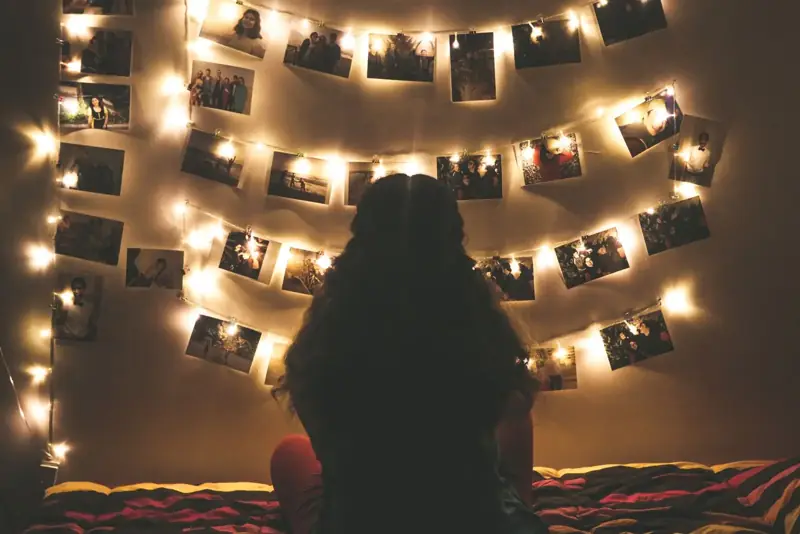
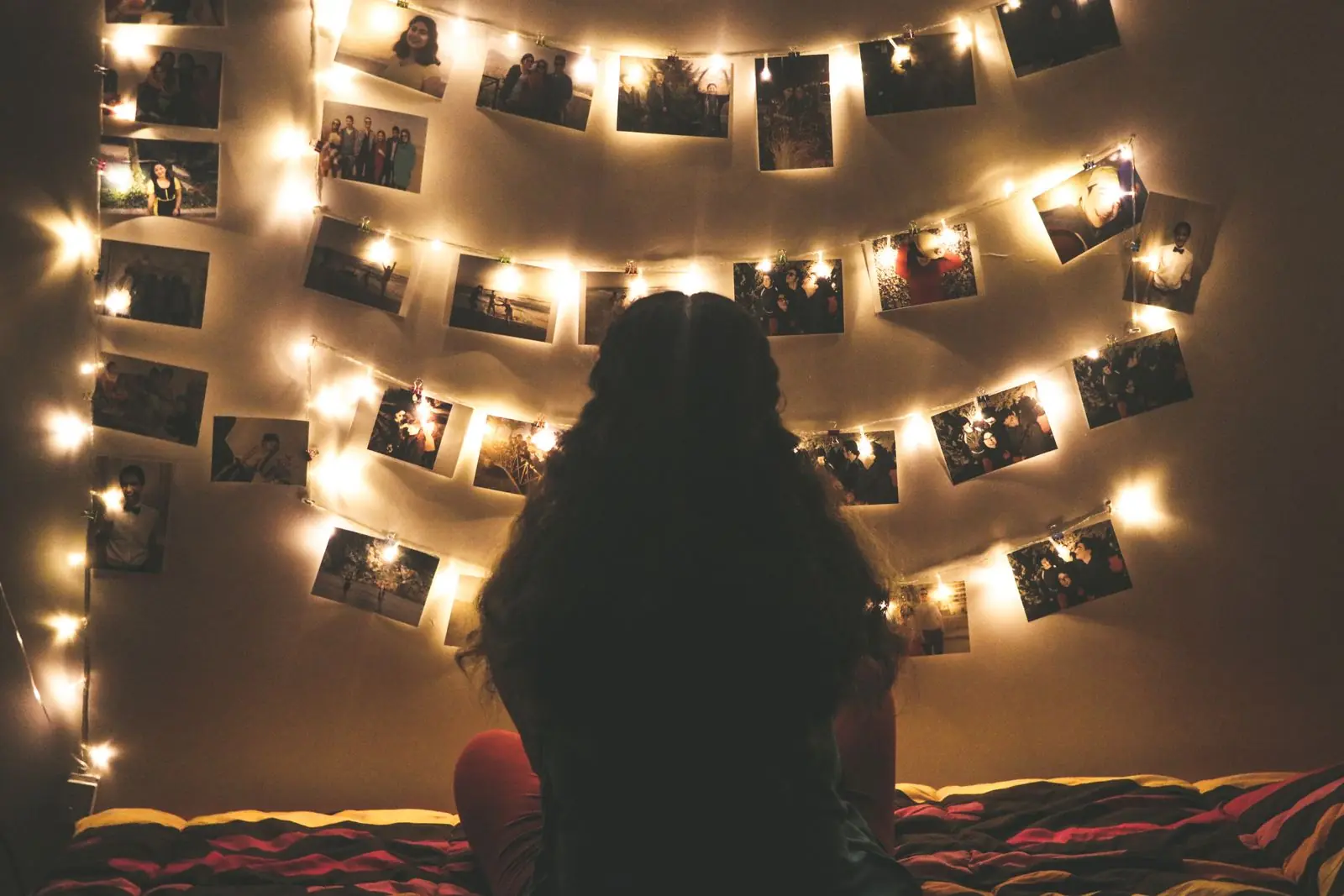
- Photo wall: zigzag strands across a wall and clip photos or postcards onto them.
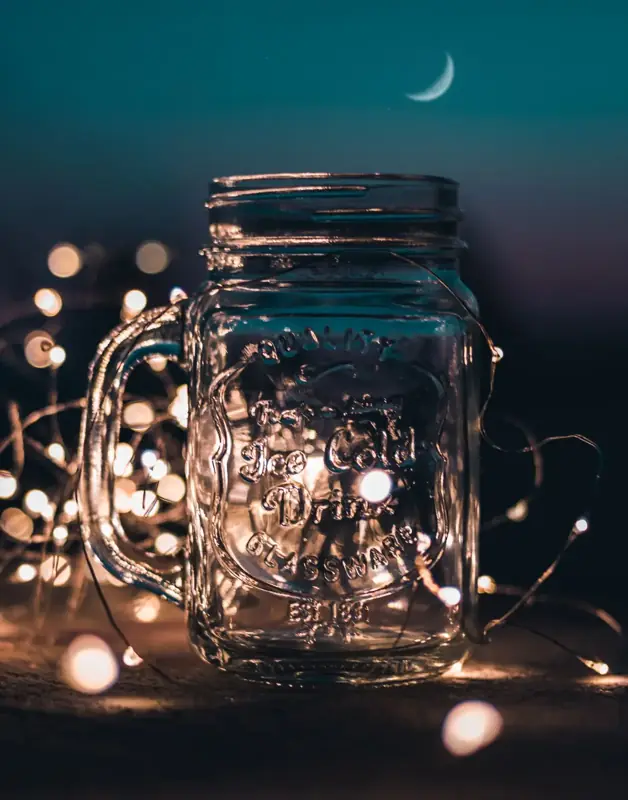
- Jars and bottles: a cool white strand in a clear bottle looks like frost; see our mason jar fairy lights tutorial.
- Mirror frame: wrap the frame or tape a strand around the back edge for a halo.
- Winter centerpiece: pinecones, white candles in glass and a silver strand woven between them.
- Costumes and crafts: sew the wire along a hem or a crown; LEDs stay cool on fabric.
- Canopy: drape USB strands over a sheer bed canopy for an all-night starry glow.
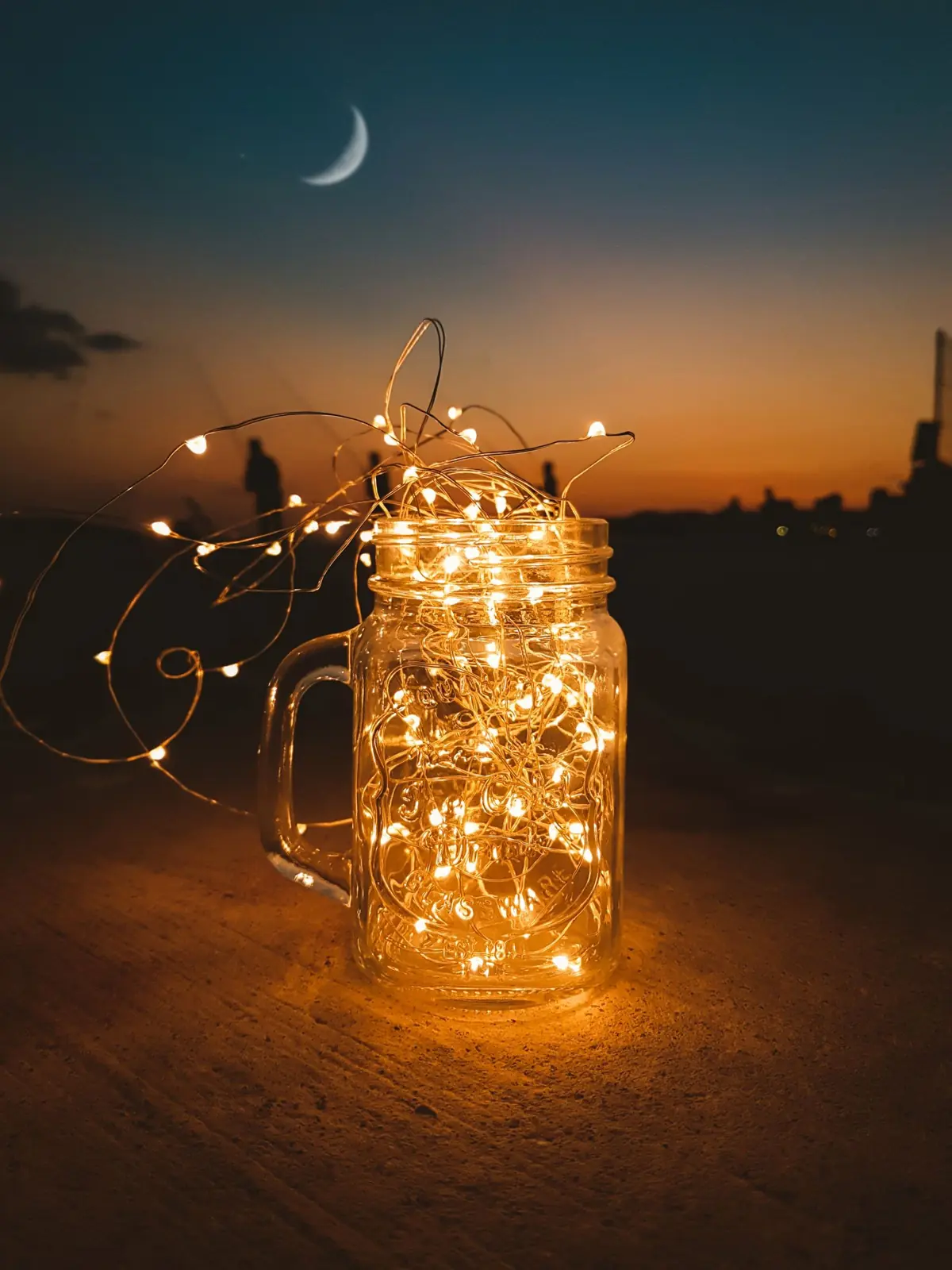
For more ways to use them, browse our list of innovative ways to use fairy lights.
Care and safety
Store strands wound loosely on a card with the batteries removed, and keep them dry. If a strand looks dull or flickers, try fresh batteries or a different USB charger before giving up on it. A section that has gone dark usually points to a break in the wire near a sharp bend; unfortunately, micro wire can't be repaired easily, so treat those bends gently from the start.
A quick wipe with a dry cloth keeps the coating looking bright. Avoid cleaning sprays, which can cloud the resin over each LED.
Lighting a bedroom? The indoor fairy lights guide covers plug-in vs USB setups for nightly use.