Your LED strip can show millions of colors, but which one should you actually pick? Understanding LED light colors meaning, both the feelings people tend to associate with each shade and the real effect light has on your body, helps you pick the right color for sleep, study, gaming or a relaxed evening.
This guide goes color by color, then covers white light and the Kelvin scale, and finishes with simple scene recipes you can program into any smart strip or bulb.
Why light color affects how you feel
Two things are at work. The first is association: we link red with warmth and energy, blue with calm water and sky, green with nature. Those links vary between people and cultures, so treat them as tendencies rather than rules.
The second is biology. Your eyes contain cells that are especially sensitive to blue light, and they help set your body clock. Bright, blue-rich light in the evening tells your brain it's still daytime and can make it harder to fall asleep. Dim, warm light in the evening has much less of that effect. That's the most reliable thing to know about LED colors.
LED light colors meaning, color by color
| Color | Common associations | Good for | Use with care |
|---|---|---|---|
| Red | Warmth, passion, energy, coziness when dim | Night lights, late-night wind-down, dramatic accents | Bright red can feel intense in small rooms |
| Orange / amber | Firelight, comfort, sunset | Evening relaxing, reading nooks before bed | Looks muddy at very low brightness on some strips |
| Yellow | Cheer, optimism, sunshine | Kitchens, playrooms, welcoming entryways | Saturated yellow can look sickly on skin |
| Green | Nature, balance, freshness | Plant shelves, calm background light | Strong green tints faces oddly on video calls |
| Blue | Calm, cool, focus, night sky | Daytime accent, gaming setups, TV backlights | Avoid bright blue in the hour or two before sleep |
| Purple | Creativity, luxury, mystery | Gaming rooms, parties, accent walls | Can feel heavy as the only light in a room |
| Pink | Softness, romance, playfulness | Bedroom accents, vanity mirrors, photos | Pair with some white light for tasks |
| White | Clean, clear, neutral | Tasks, studying, cooking, general light | Choose the Kelvin carefully, see below |
What about color meanings on social media?
You may have seen videos claiming each LED color secretly signals something about the person whose room it is. Those meanings are trends and jokes, not rules, and they change quickly. Pick colors you enjoy and that suit what you're doing in the room.
Best LED color for sleep
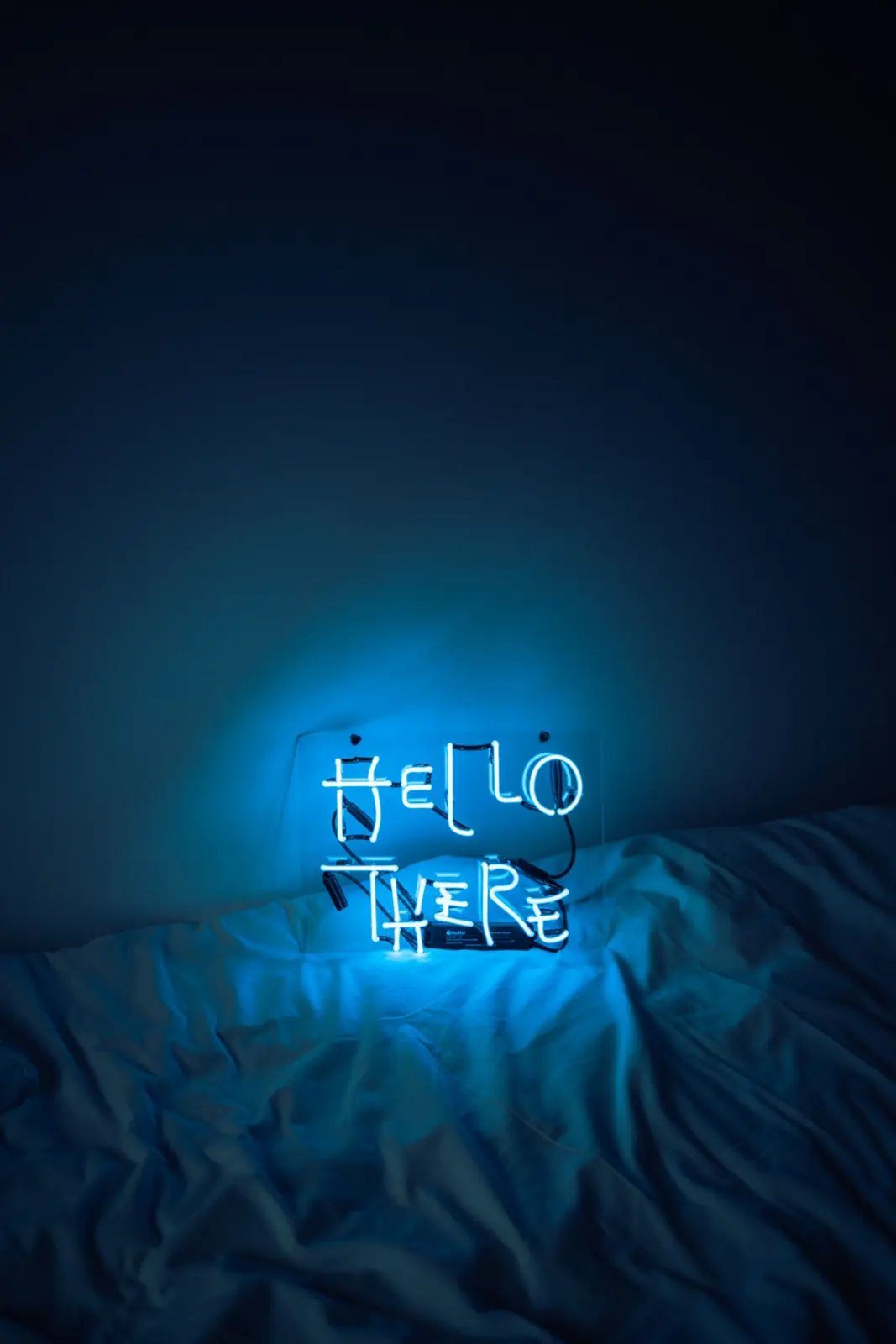
If you want an LED strip in the bedroom that won't fight your sleep, go warm and dim.
- Red or deep amber at low brightness is the gentlest choice for the last hour before bed and for night lights. It contains very little blue.
- Warm white around 2200–2700 K, dimmed is a good middle ground if red feels too moody for reading.
- Avoid bright blue, purple or cool white in the hour or two before bed.
- Turn lights fully off to sleep if you can. Even a dim strip is better off than on through the night, unless a child needs a night light.
Smart strips make this effortless: set a routine that shifts to amber at 20% brightness at a fixed time each evening. Our Alexa LED strip guide shows how to build that routine.
Best LED color for studying and focus
For reading, homework and desk work, colored light is not your friend. You need bright white light on the task.
- Neutral to cool white, about 4000–5000 K, keeps you alert and shows text and colors accurately.
- Light the desk, not just the walls. A strip behind a monitor or under a shelf adds comfort, but pair it with a proper task lamp.
- Use color as a low-level accent. A soft blue or green bias light behind a screen reduces the harsh contrast between a bright monitor and a dark room.
- Switch to warmer light after study time so your body can start winding down.
Color temperature in Kelvin, explained
White light comes in many shades, measured in Kelvin (K). Lower numbers look warmer and more golden; higher numbers look cooler and bluer.
| Kelvin | Looks like | Typical use |
|---|---|---|
| 1800–2200 K | Candlelight, very amber | Bedtime, ambience |
| 2700 K | Classic warm white bulb | Living rooms, bedrooms |
| 3000 K | Soft white | Kitchens, bathrooms, general use |
| 4000 K | Neutral white | Desks, workshops, garages |
| 5000–6500 K | Daylight, slightly blue | Detailed tasks, photos, craft work |
Basic RGB strips fake white by mixing red, green and blue, which often looks bluish or uneven. RGBW and RGB plus tunable white strips have dedicated white LEDs and produce much nicer whites. If you plan to use white often, that upgrade is worth it; our smart LED strip lights guide explains the difference.
Want to see how each temperature and color feels before you commit? Try the picker below and preview combinations for different moods.
Color temperature and mood picker
Slide through warm to cool white, or pick a mood, and preview how the room will feel.
Matching colors to rooms
Every room has a job, and the right light color supports it.
Bedroom
Keep warm white for everyday use and save colors for accents. A strip under the bed frame or behind a headboard set to soft pink, amber or dim red feels restful. If you share the room, a warm, low strip is easier on a partner than a bright overhead light.
Living room
Warm white around 2700 K is the most flattering for faces and furniture. A colored TV backlight adds atmosphere during films without washing out the picture.
Kitchen and bathroom
Under-cabinet strips at 3000–4000 K make chopping and makeup easier and show food and skin tones naturally. Colored light here tends to make food look unappetizing.
Kids' rooms
Let children choose a fun daytime color, then set the strip to switch to a dim amber or red night light at bedtime.
Mood lighting recipes
Here are a few simple scenes you can save as presets:
- Cozy evening: amber or 2200 K warm white at 30–40%.
- Movie night: deep blue or purple TV backlight at 15–20%, other lights off.
- Gaming: purple, blue or teal accents, with a white desk lamp for the keyboard.
- Dinner party: warm white at 50% plus a few candle-colored fairy lights on the table.
- Focus: 4000–5000 K white at full brightness on the desk.
- Night light: dim red at 5–10% along the floor or under the bed.
Wrap-up
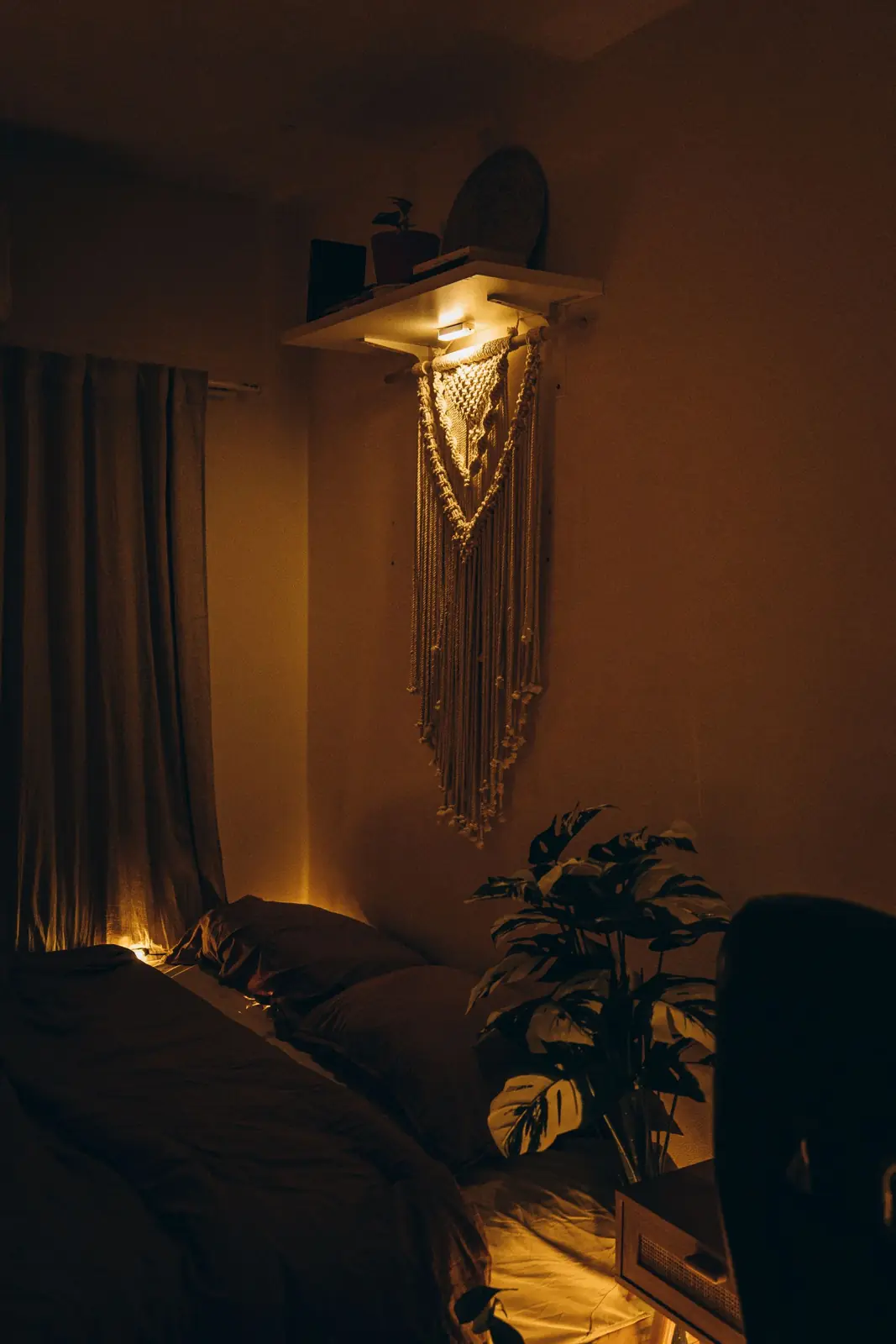
Warm and dim for the evening, bright and white for work, and bold colors as accents whenever you like. That one rule covers most of what LED light colors mean in practice. For more on bulbs that can do all of this, read our smart bulbs guide or look at smart LED light bulbs, and find more planners on the light tools page.