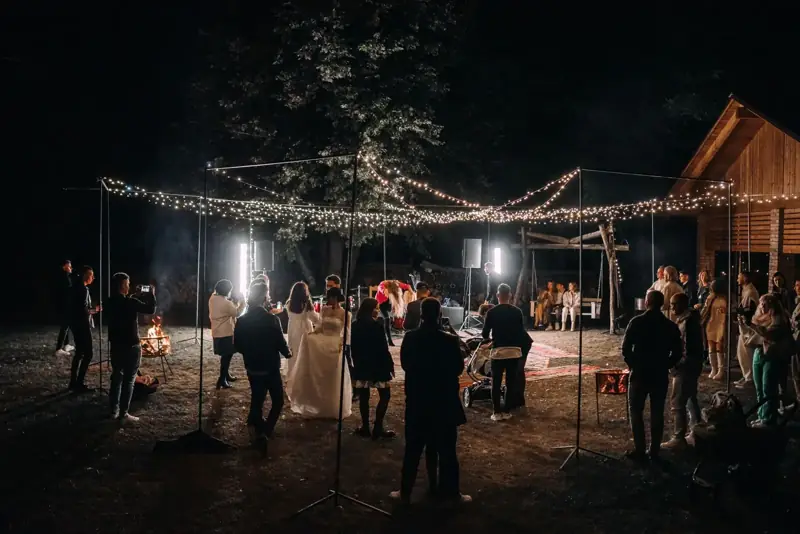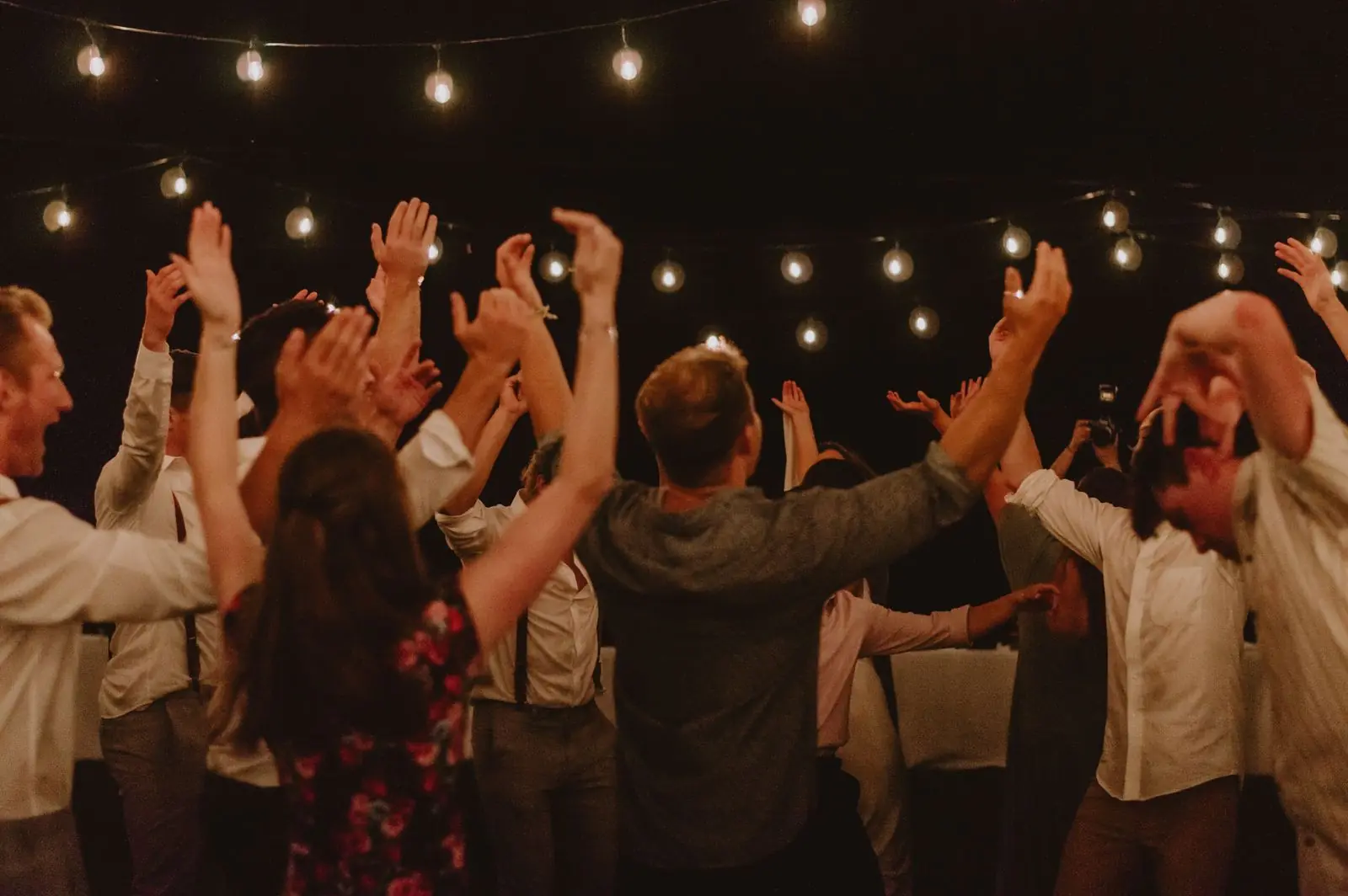
Fairy lights for bedroom decor and fairy lights for a party are the same basic product used in very different ways. In a bedroom you want soft, steady, warm light you can switch off from bed. At an event you want coverage, a little sparkle and lights that will survive a long night and a few bumps.
This guide covers both. Start with the bedroom setups, then jump to party lights, western party lights and event lighting plans for backyards, halls and receptions.
Fairy lights for bedroom decor
A bedroom only needs two or three light sources to feel good at night, and fairy lights are perfect as one of them. Here are the setups that work best.
Behind the bed
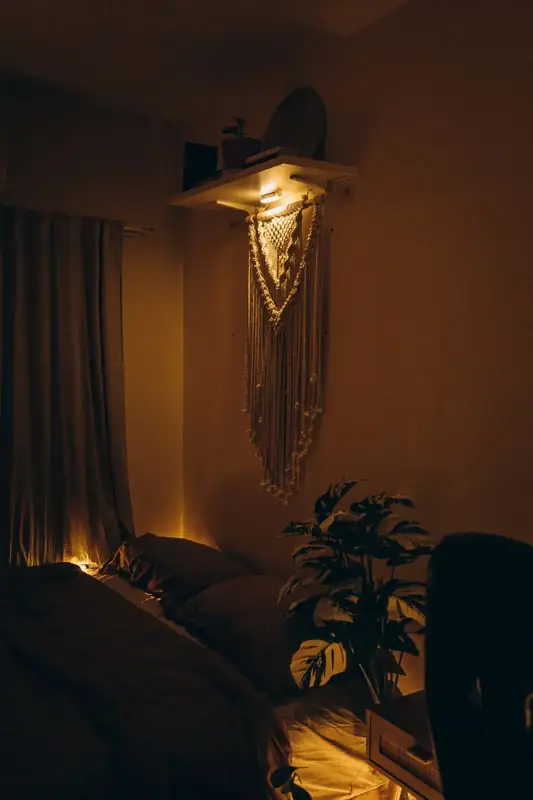
A curtain-style strand behind a sheer panel, or a strand outlining the headboard, gives the room a warm glow without any light shining in your eyes. A remote or a smart plug lets you switch it off from bed.
Around the window
Outline the inside of the window frame with small clips. From outside, it looks inviting; from inside, it frames the view.
Under a loft bed or bunk
Attach a strand to the underside of the top bunk or loft frame with clips. It turns the space below into a cozy reading nook.
Desk and dresser
A small jar or bottle of lights on a dresser adds low light for getting ready at night without switching on the main light.
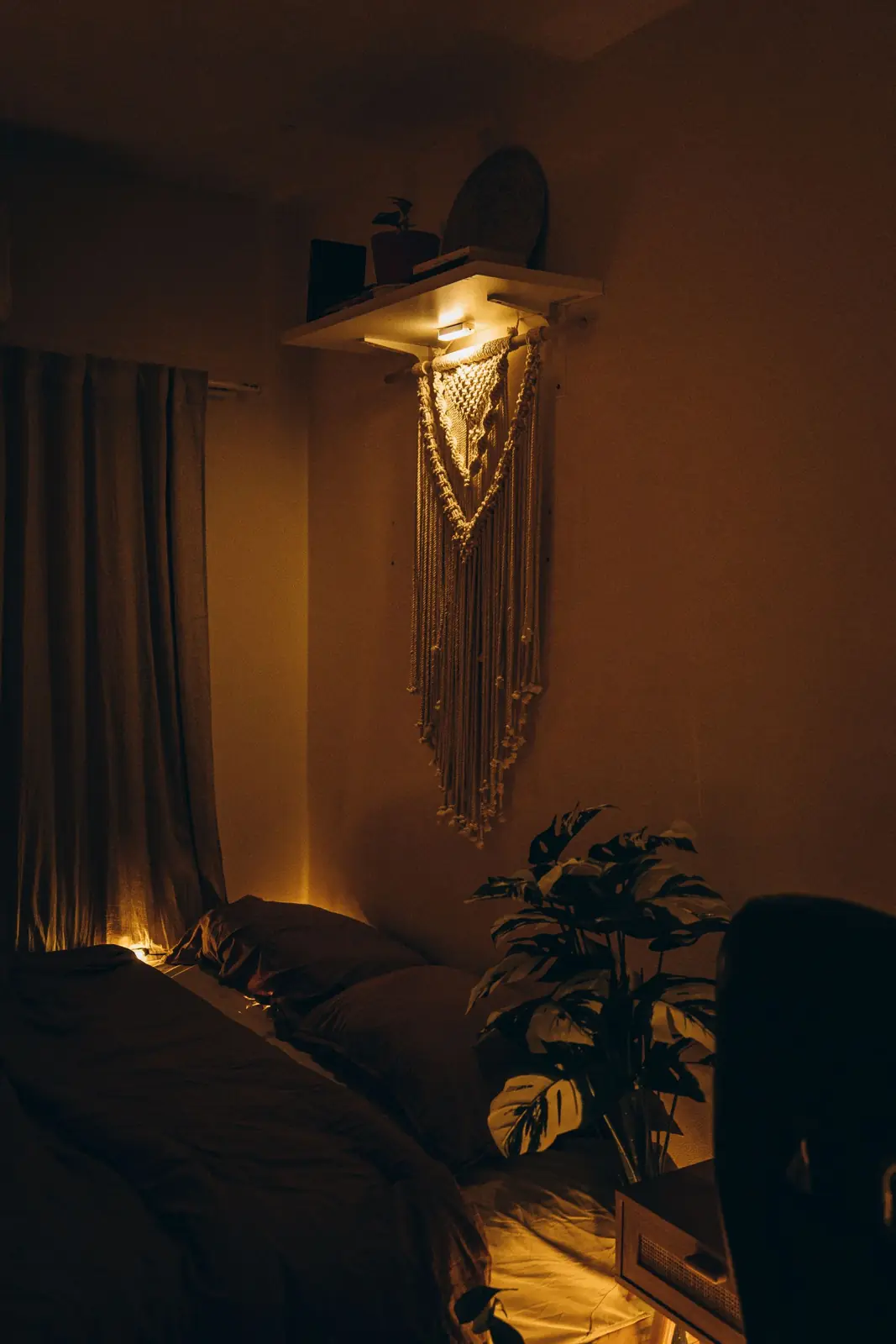
For bedrooms, choose warm white around 2,700 K, steady mode and a dimmer if possible. Plug-in and USB strands are best for nightly use; battery strands are ideal where no outlet reaches. Our indoor fairy lights guide compares the options room by room.
Sleepovers and birthday bedrooms
A bedroom can double as a party space for a sleepover or a small birthday. Swap the everyday warm strand for a multicolor or twinkle mode for the night, add a light curtain behind the bed as a photo backdrop, and switch back to steady warm white afterward. One remote-controlled strand with several modes covers both jobs.
Party lights: planning the basics
Party lights have a different job. They mark out the space, make people look good in photos and set the energy. Before you buy anything, sketch the area and decide which of these you need:
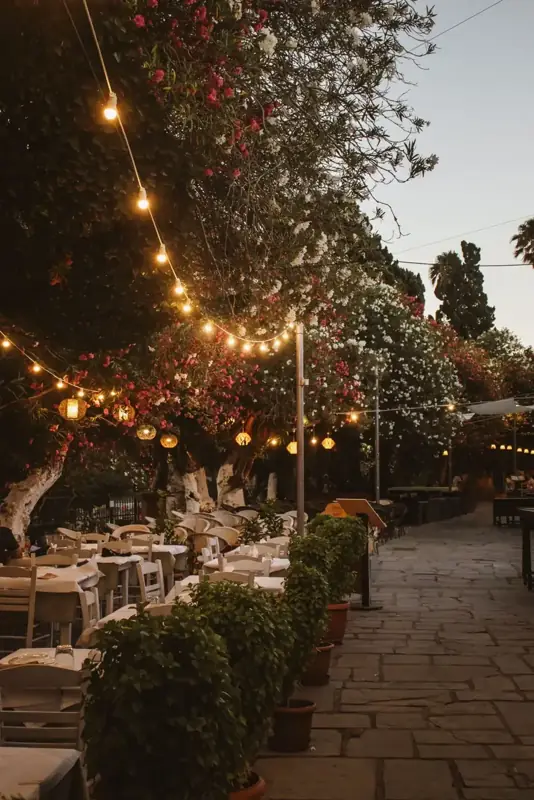
- Overhead canopy: strands or festoon lights zigzagged above the main area. This is the biggest visual impact.
- Perimeter: lights along fences, railings or hedges to define the edges.
- Tables: jars, bottles or garlands on each table.
- Focal point: a light curtain behind a cake table, bar or photo backdrop.
- Paths: lanterns or stake lights so guests can find their way safely.
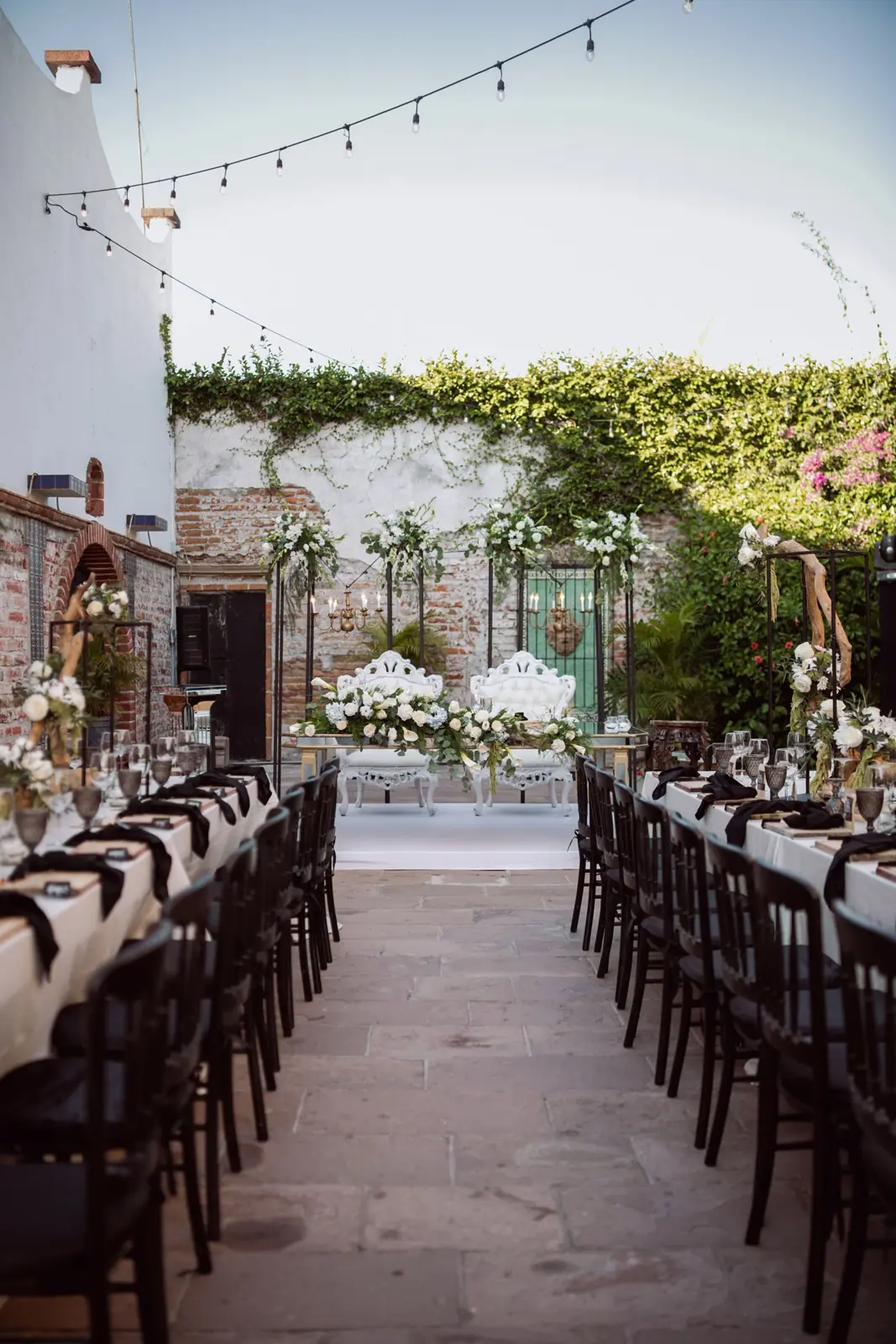
For overhead runs, measure each span and add about 10 to 15 percent for drape. A gentle sag of roughly 1 to 2 ft per 10 ft span looks graceful and takes strain off the anchor points. Our planner in the light tools hub helps work out how many strands and anchors you need for a patio.
Indoor parties and small spaces
Indoors, you rarely need an overhead canopy. Instead, outline a doorway, hang a light curtain behind the food table and fill a few jars for side tables. Dim or switch off the overhead fixtures and let the strands and a couple of lamps carry the room. In an apartment, battery strands with timers save you from running cords across the floor where guests will trip.
Western party lights and themed lighting
For a western or rustic party, warm white is still the base, but the styling changes:
- Globe or festoon bulbs strung across a barn, a fence or between poles give a saloon-porch look.
- Mason jar lanterns hung from hay bales, fence posts or shepherd hooks. Our mason jar fairy lights project shows how to make them quickly.
- Burlap and wood: wrap strands around wooden crates, wagon wheels or old ladders as decor pieces.
- Amber tones: choose extra-warm strands around 2,200 K for a candlelit, rustic feel.
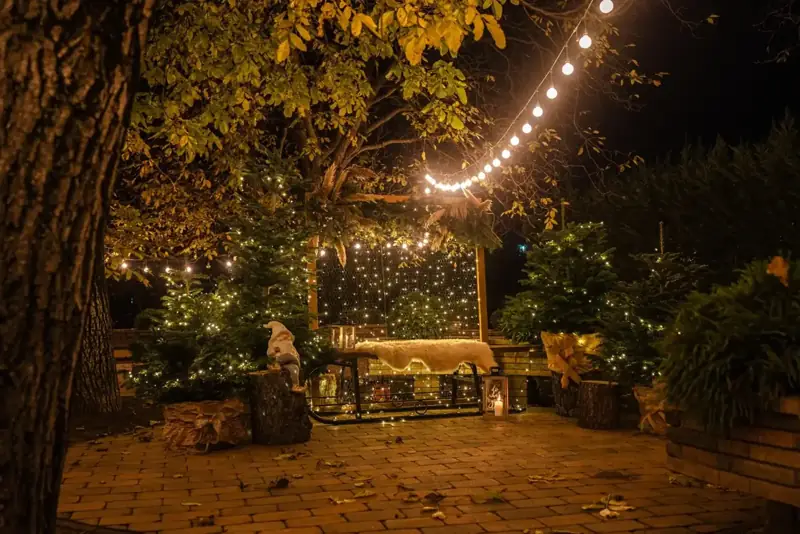
Other themes work the same way: pick one hero element and support it with simple warm light. For a garden party, wrap tree trunks and hang lanterns. For a winter party, mix lights with garland and pine. For a kids' party, multicolor ball lights are fun and cheerful.
Event lighting for weddings and big gatherings
Event lighting at a larger scale needs a little more planning, but the same principles apply.
Walk the space at night
Visit at the same time as the event, if you can, and note where it is dark and where the power outlets are.
Plan power first
Count how many strands can safely run from each outlet and where extension cords will go. Battery strands avoid cords on tables entirely.
Light the overhead space
String lights across the main area, ideally 8 to 10 ft high, so they clear heads but still feel close.
Add the details
Finish with table lights, a lit backdrop and path lights.
Test everything
Turn on every strand the day before and keep spare batteries, fuses and a spare strand on hand.
Our wedding guide, wedding motifs and how to light them, goes deeper on reception lighting.
Choosing the right lights for each job
| Setting | Best light type | Power | Mode |
|---|---|---|---|
| Bedroom | Micro LED or curtain strand, warm white | Plug-in or USB | Steady, dimmable |
| Table centerpieces | Copper wire micro strands | Battery with timer | Steady or slow twinkle |
| Overhead canopy | Festoon or globe string lights | Plug-in, connectable | Steady |
| Backdrop | Curtain lights behind sheer fabric | Plug-in or USB | Steady |
| Paths and trees | Waterproof fairy lights | Battery or solar | Steady |
For outdoor strands, see our guides to outdoor fairy lights and waterproof fairy lights.
After the party
Take lights down carefully so they are ready for next time. Wind each strand around a piece of cardboard or an empty paper towel tube, remove batteries before storage to prevent corrosion, and store everything in a labeled box. A tangle-free strand on event day is worth the five minutes.
Bring the glow home
The lights from a party can easily become the lights for a bedroom, so buy warm white, good quality strands and they will work for both. For more ideas, browse our fairy light decoration ideas or read how to hang outdoor string lights before your next event.